
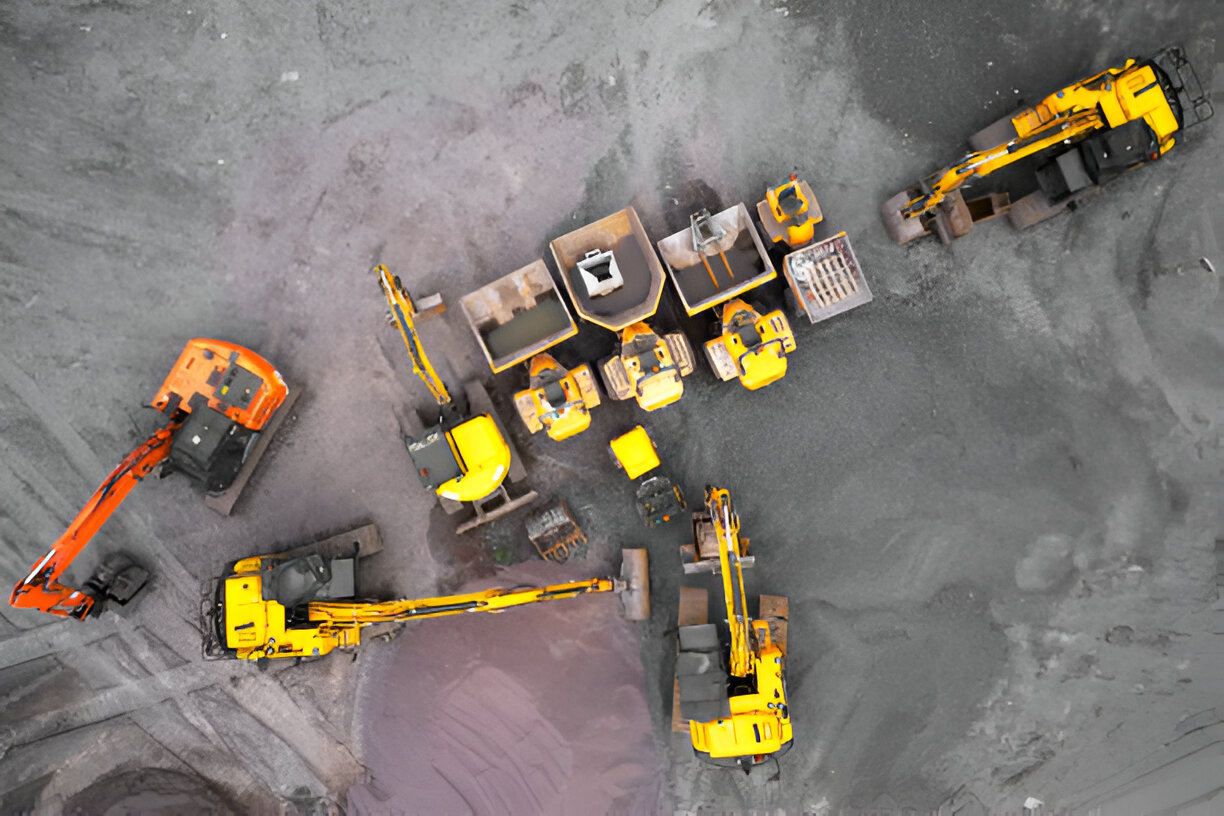
In the modern world, construction equipment and machinery stand as indispensable tools that drive economic growth and facilitate the comforts of daily life. From towering skyscrapers to intricate road networks, these mechanical marvels shape the very landscape we live in. Their significance extends far beyond the construction site, influencing industries, communities, and economies on a global scale.
The Role of Construction Equipment in Economic Development
Construction equipment and machinery form the backbone of the construction industry, which is a key driver of economic progress. Infrastructure projects like roads, bridges, dams, and airports require robust machinery to ensure efficiency, safety, and precision. This heavy equipment reduces the time and labor required for construction, allowing for the timely completion of projects that stimulate commerce, enhance connectivity, and improve the quality of life.
For instance, the development of urban infrastructure fosters economic growth by attracting investments, creating jobs, and boosting tourism. Projects such as industrial parks and housing developments rely heavily on construction machinery like excavators, bulldozers, and cranes. The ripple effect of these projects extends to sectors like manufacturing, logistics, and real estate, highlighting the machinery’s pivotal role in economic ecosystems.
Enhancing Efficiency and Safety
Modern construction machinery is designed to enhance both efficiency and safety. Advanced technologies, including GPS systems, automated controls, and telematics, enable operators to perform tasks with greater precision. These features minimize errors, reduce material wastage, and optimize fuel consumption, resulting in cost savings for businesses.
Safety, another critical aspect, is significantly improved through innovations such as collision avoidance systems, remote-controlled operations, and ergonomic designs. By mitigating risks and enhancing operator well-being, construction machinery ensures that projects are carried out in a safe environment, protecting both workers and assets.
The Impact on Daily Life
Construction equipment impacts daily life in more ways than one might initially perceive. Roads and highways built using graders and pavers make transportation smoother and faster, connecting people to work, schools, and healthcare facilities. Cranes and concrete mixers contribute to the construction of residential and commercial buildings, providing homes, workplaces, and shopping centers.
Beyond urban development, machinery like agricultural excavators and loaders play a crucial role in rural areas. These tools help build irrigation systems, farm structures, and rural roads, improving agricultural productivity and quality of life for rural populations.
A Catalyst for Technological Advancement
The evolution of construction machinery has catalyzed technological innovation across industries. The push for sustainability, for example, has led to the development of electric and hybrid construction equipment. These machines not only reduce carbon emissions but also lower operating costs, aligning with global efforts to combat climate change.
Additionally, the integration of artificial intelligence and machine learning in construction equipment is revolutionizing the industry. Autonomous machinery capable of performing tasks with minimal human intervention is becoming a reality, paving the way for faster, more efficient, and cost-effective construction processes.
Challenges and the Way Forward
Despite its numerous benefits, the construction machinery sector faces challenges such as high costs, maintenance demands, and environmental concerns. However, ongoing research and development are addressing these issues by focusing on durability, affordability, and eco-friendliness. Governments and private sectors alike are investing in innovation, ensuring that the machinery continues to meet the evolving needs of society.
Conclusion
Construction equipment and machinery are more than just tools; they are enablers of progress, shaping economies and enhancing lives. Their role in building infrastructure, fostering technological advancements, and improving daily living underscores their importance in the modern world. As innovation continues to push the boundaries of what these machines can achieve, their impact will only grow, making them an integral part of our collective future.